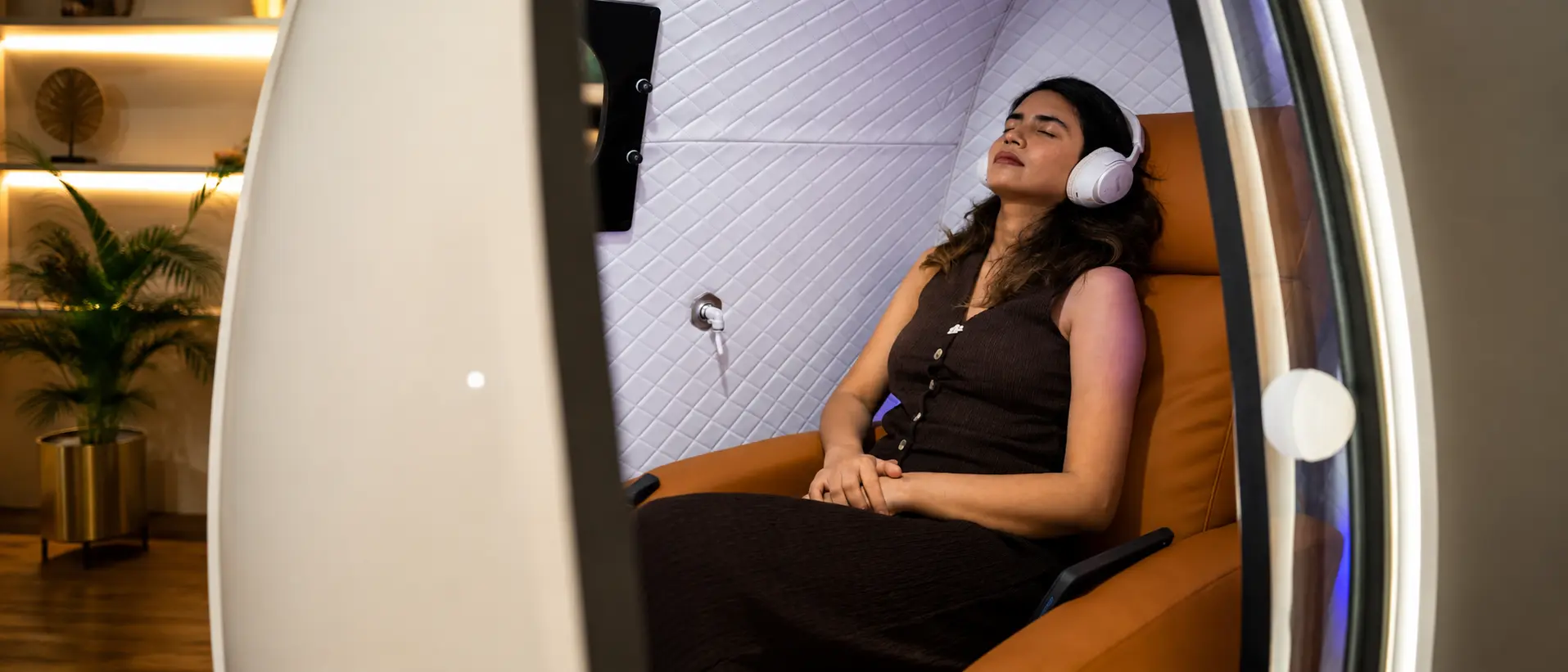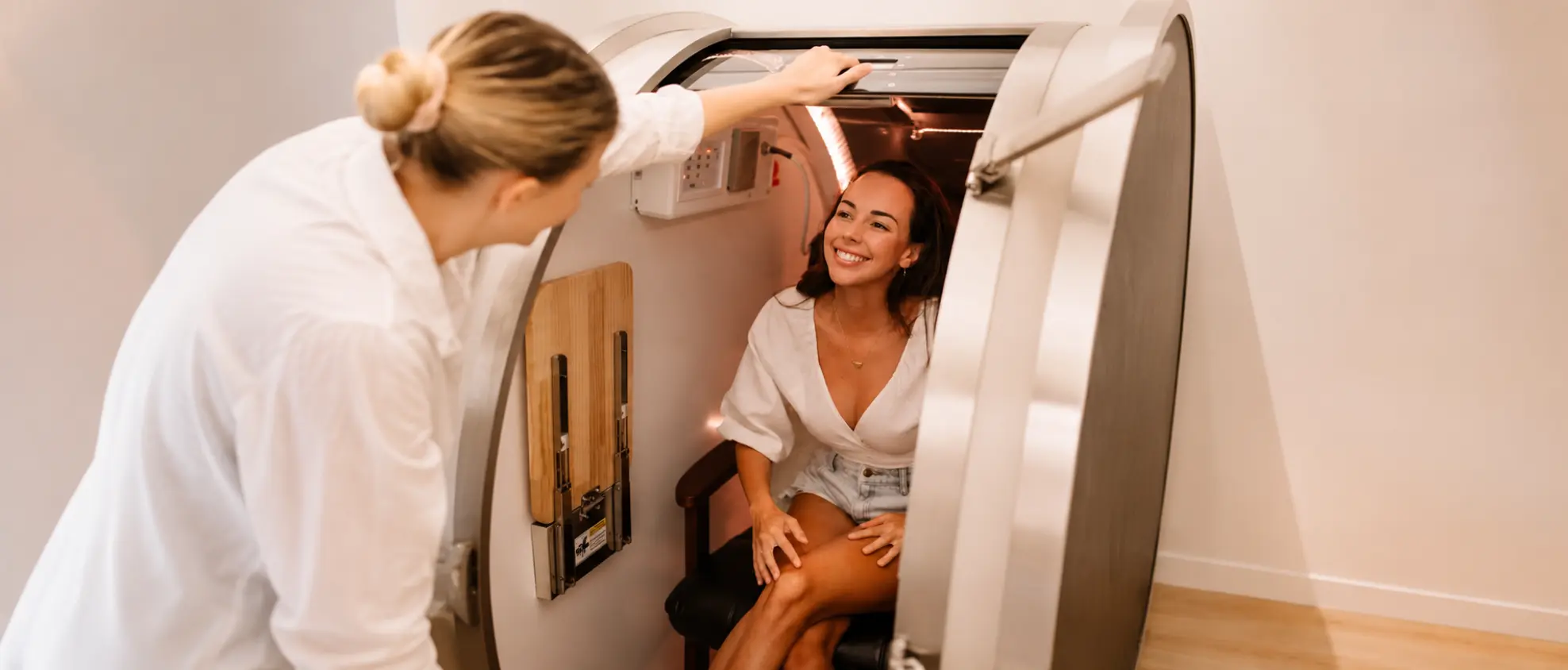

Whole-body cryotherapy (WBC) has become increasingly popular in sports recovery, wellness, rehabilitation and performance-focused environments. The technique involves exposing the body to extremely cold, dry air for a short period, typically in a specialized cryotherapy chamber.
Unlike conventional cold-water immersion, WBC uses cold air and a very brief exposure period. The sudden drop in skin temperature stimulates the body's thermoregulatory response, including peripheral vasoconstriction and changes in blood flow and autonomic activity.
However, one important question remains:
Does everyone respond to whole-body cryotherapy in the same way?
The answer appears to be no.
Emerging research suggests that individual characteristics—including age, sex, body composition and BMI—can influence how quickly the skin cools and how the body responds to WBC. This has led researchers to explore a more personalized approach to cryotherapy rather than assuming that one protocol produces the same response in everyone.
What Happens During Whole-Body Cryotherapy?
During WBC, the body is exposed to extremely cold air for a short period. The primary immediate effect occurs at the skin level.
Cold-sensitive receptors detect the rapid temperature change, triggering physiological responses designed to conserve heat. Blood vessels near the skin constrict, reducing peripheral blood flow and helping limit heat loss.
After the exposure, blood flow and skin temperature gradually recover.
Researchers have studied these responses in relation to pain, inflammation, exercise recovery and thermoregulation. However, the magnitude of the response can vary considerably between individuals.
That variation is what makes individual factors important.
1. Age May Influence the Response
Age is one factor that can influence the body’s response to cold exposure.
Thermoregulatory responses can change as people get older, which means that the same cold exposure may not produce an identical response across different age groups.
A 2025 randomized crossover study involving 90 healthy participants specifically investigated how age, sex and BMI influenced the time required to reach a predefined skin-temperature target during whole-body cryostimulation. The researchers observed meaningful differences between participant groups, suggesting that exposure duration may need to be considered in relation to individual characteristics.
This does not mean that older adults automatically require a specific cryotherapy protocol. Instead, it highlights why age can be one factor to consider when evaluating an individual's response.
2. Sex Can Affect Skin Cooling
Research has also identified differences between males and females in the way skin temperature changes during WBC.
A study published in BioMed Research International examined 32 participants exposed to WBC and found that females experienced a greater decrease in mean skin temperature than males. The researchers also found relationships between skin-temperature changes and body-fat percentage.
Another study examining individual responses to −110°C WBC found differences in mean skin and body temperature between male and female participants following exposure.
These findings do not suggest that one sex responds "better" to cryotherapy. They simply demonstrate that the physiological response can differ.
3. Body Composition and BMI Matter
Body composition is another important consideration.
Two people with the same body weight can have very different proportions of fat mass and lean mass. These differences can influence heat transfer and skin cooling.
Research has repeatedly explored the relationship between body composition and WBC response.
In one study, researchers found that skin-temperature changes following WBC were associated with body-fat percentage and other anthropometric characteristics.
More recent research involving 149 adults, including participants with obesity and normal-weight participants, found that sex and BMI influenced changes in skin temperature during repeated WBC sessions. After accounting for body surface area, females generally showed greater decreases in skin temperature than males, while differences were also observed among male participants according to BMI.
This is one reason why BMI should not be considered in isolation. Body surface area, body-fat distribution and lean mass may also contribute to an individual's response.
4. Previous Cold Exposure May Change How It Feels
Not every difference is purely physiological.
A person's previous experience with cold may influence how they perceive a cryotherapy session.
Repeated exposure to a similar stimulus can lead to habituation, meaning the sensation may become less intense over time.
This creates an interesting distinction:
Feeling more comfortable during cryotherapy does not necessarily mean that the body is no longer responding to the cold.
Thermal perception and physiological responses are related, but they are not identical. For this reason, subjective comfort should be considered alongside appropriate physiological monitoring and screening.
5. Physical Condition Can Influence the Context
The condition of the body before a cryotherapy session may also matter.
Someone arriving immediately after strenuous exercise may have a different physiological state from someone who has been resting. Circulation, metabolic activity, hydration and environmental temperature can all influence thermoregulation.
This does not mean that every session needs to be dramatically altered according to these variables. It simply highlights that WBC takes place within a broader physiological context.
The same individual may not necessarily respond identically every time.
Why One Standard Protocol May Not Suit Everyone
Traditional discussions of Whole-Body Cryotherapy often focus on temperature and exposure duration.
But research increasingly suggests that these variables should be considered alongside the person receiving the exposure.
A 2025 study examining age, sex and BMI found significant differences in the duration required for participants to reach a target skin temperature.
The researchers concluded that WBC exposure may benefit from greater individualization.
Similarly, research examining BMI and sex has suggested that individual characteristics influence skin cooling during repeated WBC sessions.
The takeaway is simple:
The same chamber does not necessarily produce the same physiological response in every person.
This does not mean that every individual needs a completely different protocol. Rather, it supports the idea that cryotherapy should be approached with appropriate screening, clearly defined objectives and consideration of individual characteristics.
Personalization Is Becoming More Important
The growing interest in personalized WBC reflects a broader trend in wellness and recovery technology.
Instead of asking only:
"What temperature should the chamber be?"
Researchers and practitioners are increasingly asking:
Who is receiving the exposure?
What is their age and body composition?
How does their skin respond to cold?
What is the intended purpose of the session?
How have they responded to previous exposures?
Are there any factors that could make extreme cold inappropriate?
This approach is particularly relevant as WBC continues to move beyond athletic recovery into rehabilitation and broader wellness applications.
Safety Should Come Before Personalization
Individualization is not simply about optimizing results. It is also about identifying when WBC may not be appropriate.
A 2025 international position paper developed by the Whole-Body Cryostimulation Working Group of the International Institute of Refrigeration and a multidisciplinary expert panel reviewed the evidence surrounding WBC contraindications. The experts emphasized the importance of appropriate medical screening and careful consideration of exposure parameters.
People with certain medical conditions or temporary health issues may require additional assessment or may need to avoid WBC altogether.
Therefore, cryotherapy should not be approached as a "one-size-fits-all" wellness procedure.
The Future of Whole-Body Cryotherapy
Whole-body cryotherapy is still an evolving area of research.
The evidence already indicates that factors such as age, sex, BMI and body composition can influence skin-cooling responses, but researchers are still working to understand how these differences translate into individual clinical or recovery outcomes.
Future research may help establish more precise ways to individualize exposure based on measurable physiological characteristics rather than relying solely on standardized protocols.
The direction is clear: the future of cryotherapy may be less about finding one perfect protocol and more about understanding the right approach for the right individual.
Conclusion
Whole-body cryotherapy may involve only a few minutes of exposure, but the body's response to extreme cold is highly individual.
Age, sex, body composition, BMI, previous cold exposure and current physiological condition can all influence how a person experiences and responds to WBC. Recent studies have provided increasing evidence that these factors can affect skin cooling and the duration required to reach specific thermal targets.
For this reason, understanding the individual is just as important as understanding the technology.
As research develops, personalized assessment, appropriate screening and evidence-based protocols are likely to become increasingly important in the responsible use of whole-body cryotherapy.