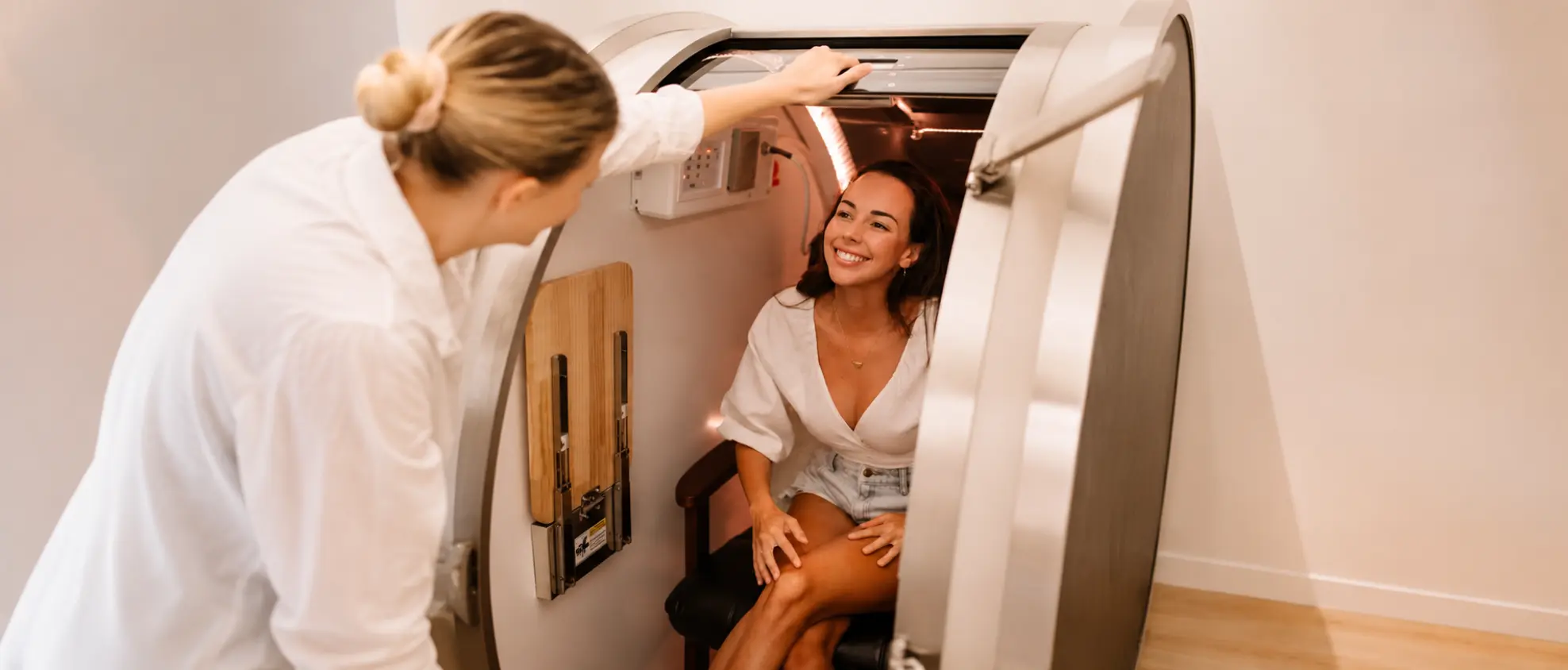
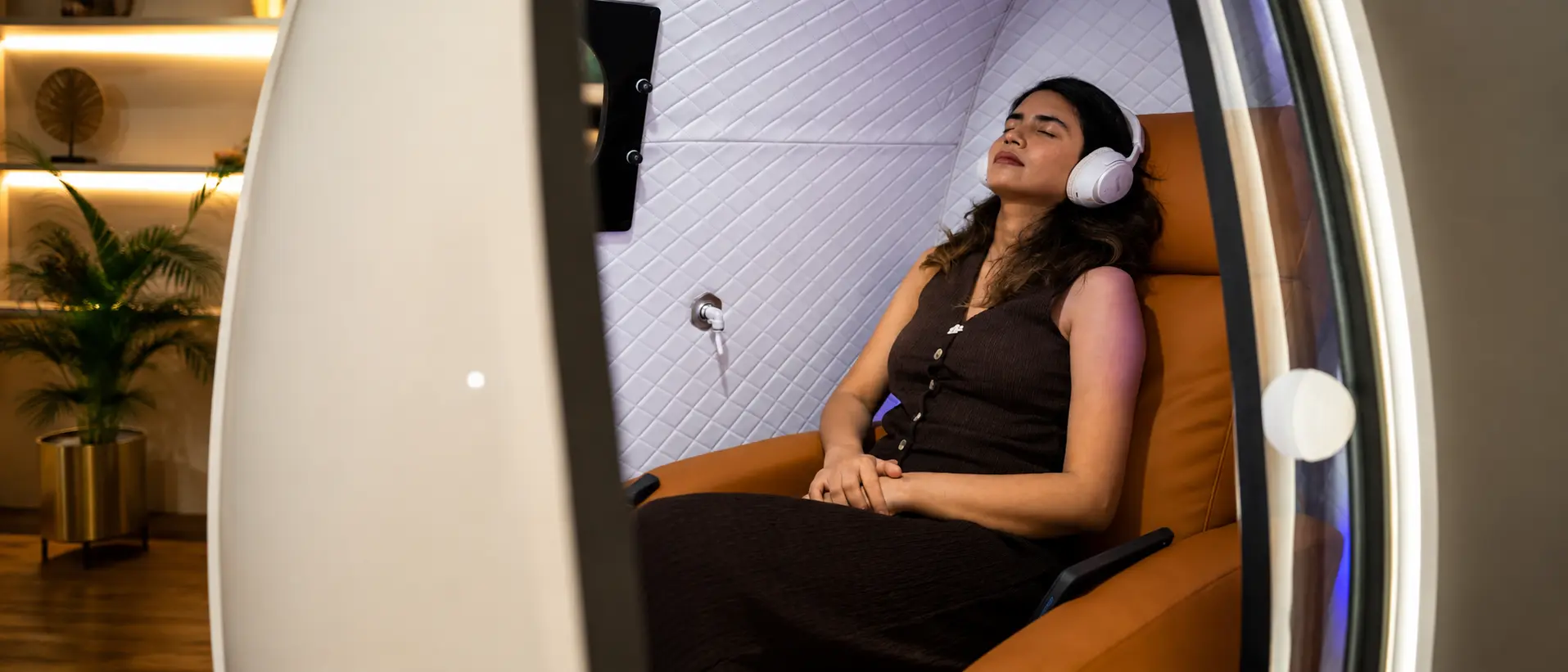
Oxygen therapy is getting more attention in India, but it is still misunderstood by many people. For some, it sounds like something meant only for emergencies. For others, it feels like a luxury wellness add-on. The truth sits between the two.
In its advanced form, especially hyperbaric oxygen therapy, it is a serious medical and recovery tool that is now finding a place in hospitals, wellness centres, and specialized clinics across the country. Bonphul, for example, positions HBOT as part of a broader wellbeing stack and offers hyperbaric oxygen chambers for clinics, hospitals, and wellness centres.
Awareness in India is rising for a simple reason. People want faster recovery, better healing, and more reliable outcomes. That has pushed oxygen therapy out of the old “niche treatment” corner and into a wider conversation about health, performance, and longevity. In India, the therapy is still concentrated in specialized medical settings, but the ecosystem is clearly expanding, with hospital groups listing HBOT departments and technology companies supplying chambers to more centres. That growth tells its own story.
How hyperbaric oxygen therapy works
At its core, hyperbaric oxygen therapy works by placing a person in a pressurized chamber and delivering high-purity oxygen under controlled conditions. The goal is simple: help more oxygen reach tissues that need repair. Mayo Clinic explains that HBOT is used to treat decompression sickness, serious tissue wounds, trapped air bubbles in blood vessels, carbon monoxide poisoning, and tissue damage caused by radiation therapy. Cleveland Clinic also describes it as a treatment that supports the healing of damaged tissue by helping the body grow new skin, blood vessels, and connective tissue.
Clinical use in India
In India, the applications are practical and easy to understand. HBOT is used in hospitals for wound healing, post-surgical recovery, tissue repair, and other medically supervised situations where oxygen delivery matters. The Undersea and Hyperbaric Medical Society lists decompression sickness, carbon monoxide poisoning, diabetic wounds, delayed radiation injury, necrotizing fasciitis, gas gangrene, and refractory osteomyelitis among established uses. A medical review of the field also notes that HBOT has multiple approved indications. In plain words, this is not a single-purpose therapy. It has a broad clinical role when used for the right condition.
That same logic is why interest in India is growing outside emergency medicine too. Hospitals and wellness providers now discuss oxygen therapy in the context of recovery, circulation, inflammation control, and performance support. Bonphul’s own HBOT page describes its chambers as supporting faster healing, improved circulation, and enhanced cellular recovery. That is a strong signal of where the Indian market is heading. More people now see oxygen therapy not only as treatment, but as part of a larger recovery and wellbeing system.
The global picture
Globally, the use of HBOT is wider and more established. The international medical conversation includes diving injuries, carbon monoxide poisoning, wound care, radiation injury, certain infections, and tissue damage where oxygen delivery is compromised. Mayo Clinic and UHMS both point to this wider clinical map. The field is also more mature abroad, with a stronger base of research, formal protocols, and hospital-based chambers. So while India is still scaling awareness, the global picture already shows oxygen therapy as a recognised medical technology, not a fringe trend.
Cost in India
Now to the question most people ask first, the cost. In India, Apollo Hospitals states that the average cost of hyperbaric oxygen therapy ranges from ₹30,000 to ₹1,00,000. That figure can shift depending on the condition being treated, the number of sessions, and the hospital or centre you choose. In other words, cost is tied to treatment plan, not just the chamber itself.
Where to get HBOT in India
The most reliable place is a specialized hospital or hyperbaric centre. Fortis lists HBOT services across several major centres, including Bengaluru, Delhi NCR, Mumbai, Kolkata, Jaipur, Ludhiana, and more. MediJourney also lists a wide network of hospitals offering HBOT across cities such as New Delhi, Bengaluru, Kolkata, Chennai, Kochi, Gurugram, Ghaziabad, and others. That tells you the market is no longer limited to one or two metros. It is spreading, slowly but steadily, across the country.
Building the ecosystem
If you are looking from the equipment side rather than the patient side, Bonphul is one of the Indian names building this ecosystem. The company says it designs and manufactures medical-grade oxygen generators and hyperbaric oxygen therapy systems, and its HBOT chambers are positioned for clinics, hospitals, and wellness centres. For a country like India, that matters. Access grows faster when the technology is built locally, serviced locally, and adapted to local conditions.
The larger story is this. Oxygen therapy in India is moving from awareness to adoption. Hospitals are offering it. Wellness centres are exploring it. Technology companies are building for it. And patients are beginning to understand that oxygen, when delivered the right way, under the right supervision, can support healing in powerful ways. The market is still young, but the direction is clear. India is building a serious oxygen therapy ecosystem, and the next phase will be shaped by trust, quality, and access.