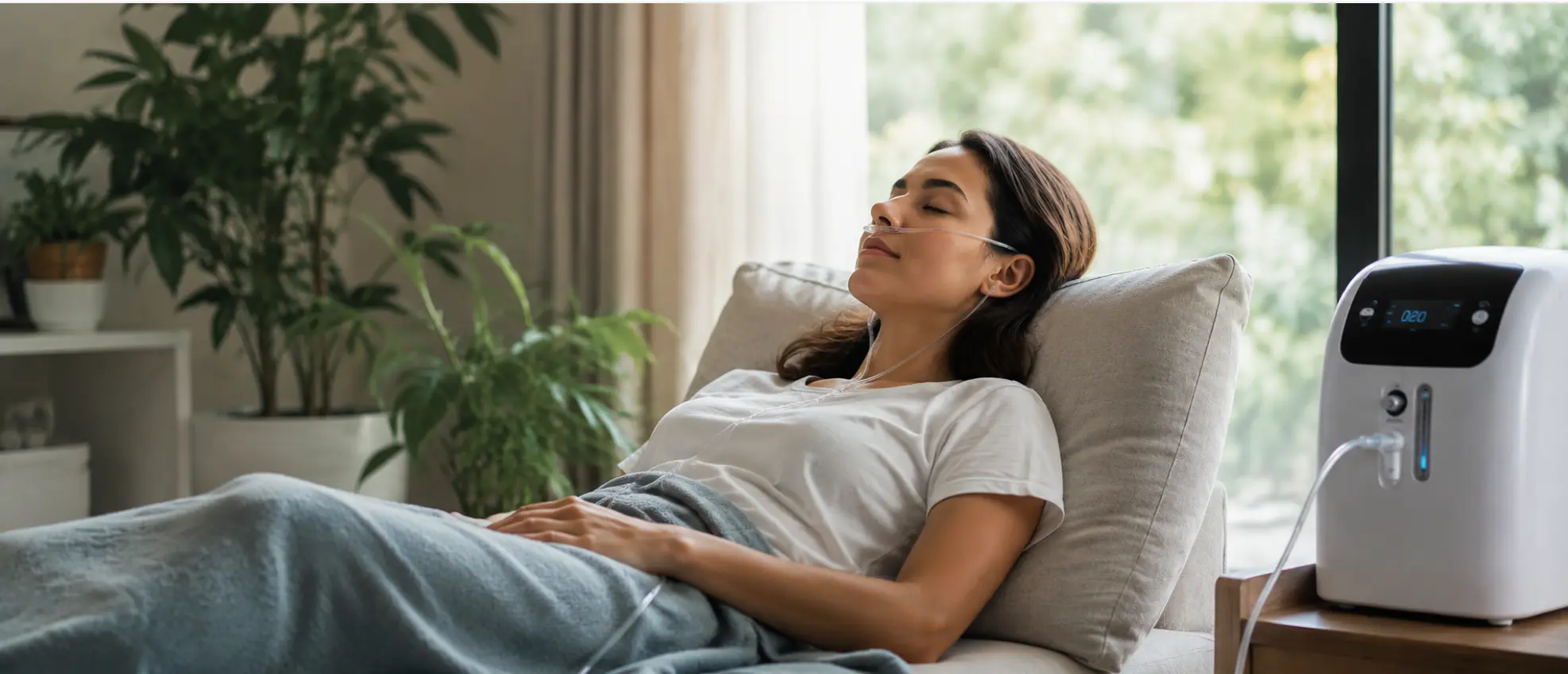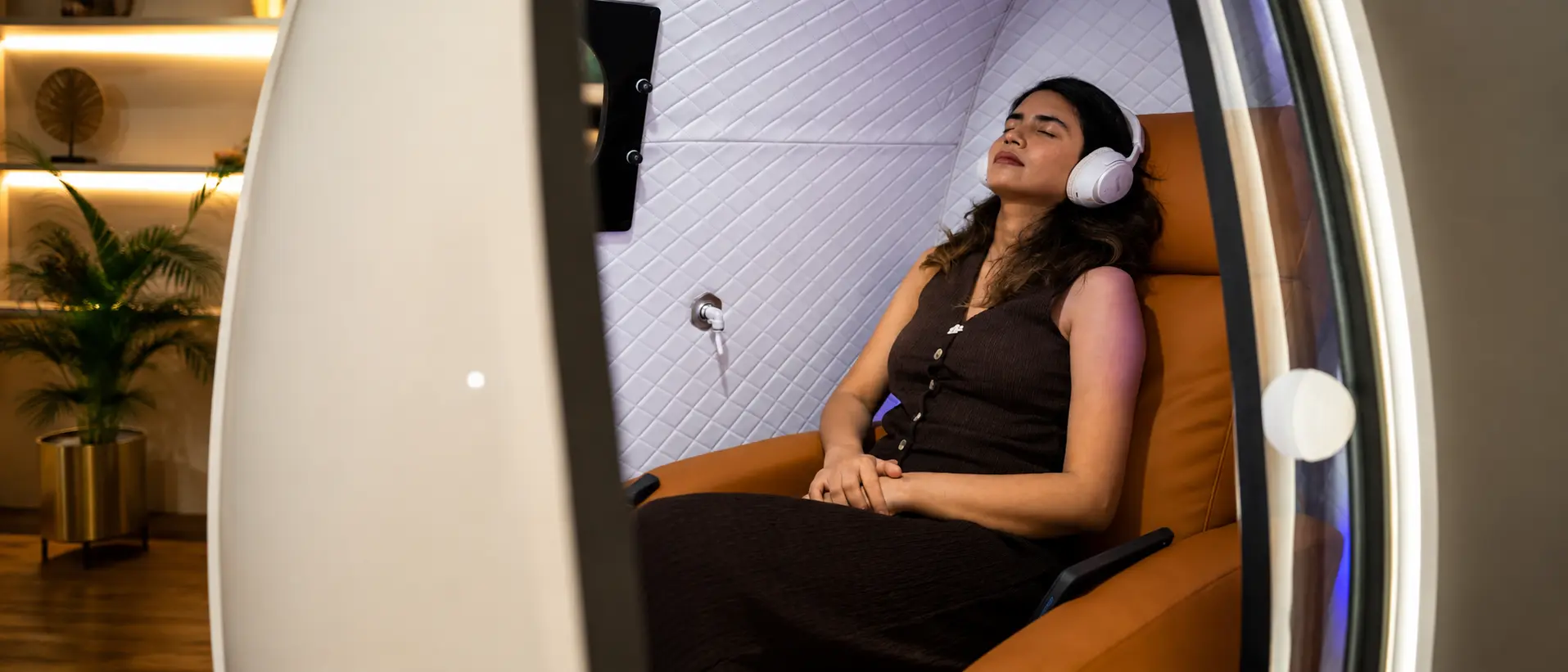
You step into a sealed chamber. Pressure rises slowly. You breathe pure oxygen. Your lungs take in far more oxygen than normal. Your blood carries it deeper into tissues. Oxygen dissolves into plasma, not just red blood cells. This matters. Damaged or inflamed areas often lack oxygen. HBOT pushes oxygen into those areas. Your body responds fast. It builds new blood vessels. It reduces swelling. It accelerates repair. This is not a surface-level effect. It works at a cellular level, where healing actually happens.
Now look at where this came from.
HBOT is not new. Its roots go back to the 1600s, when early pressure chambers were first explored in Europe. Modern use began in the early 20th century. It gained serious traction with deep-sea diving. Divers needed treatment for decompression sickness. Pressurized oxygen solved that problem. By the mid-1900s, hospitals started using HBOT for carbon monoxide poisoning and wound care. Over time, research expanded its use. Today, it is a recognized medical therapy with defined protocols. What changed recently is not the science. It is the way people are using it beyond hospitals.
Types of HBOT machines
To understand the current landscape, you need to know the types of HBOT machines.
Hard chambers
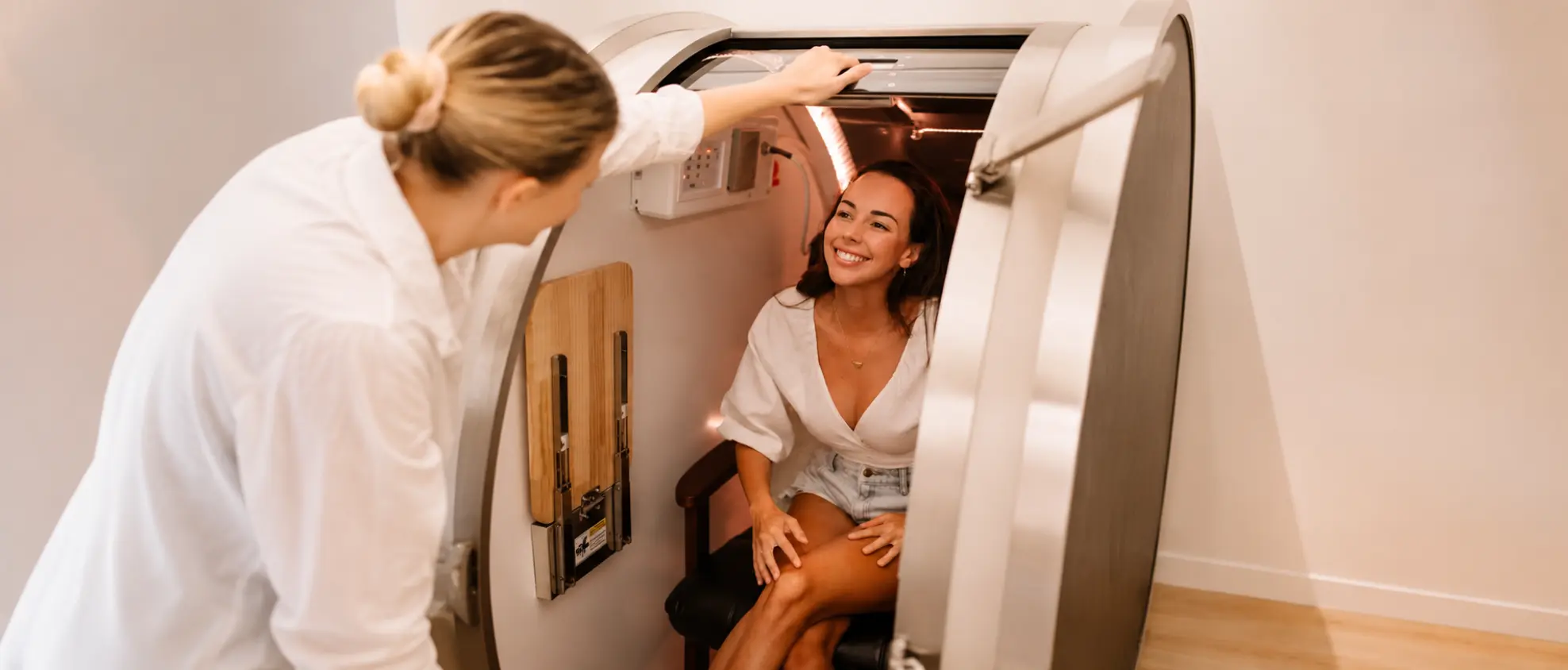
Start with hard chambers. These are rigid, hospital-grade systems made from steel or acrylic. They operate at higher pressures. They deliver precise oxygen control. Doctors use them for serious medical conditions. You will see them in hospitals and specialized clinics. These chambers come in two formats.
Monoplace chambers
Monoplace chambers hold one person. The patient lies inside a transparent tube. The chamber fills with oxygen. This setup is common in hospitals. It allows focused treatment. It is easier to operate and scale.
Multiplace chambers
Multiplace chambers hold multiple people at once. Patients sit inside a larger room-like chamber. They wear oxygen masks or hoods. Medical staff can enter with them. This setup is used in advanced facilities. It is ideal for critical care and complex cases where monitoring matters.
Soft chambers
Now look at soft chambers. These are flexible, portable systems. They operate at lower pressure. They use ambient air with oxygen support. You will see them in wellness centres, recovery clinics, and sometimes even homes. They are easier to install. They cost less. They require less infrastructure. But they also deliver lower intensity compared to hard chambers. That makes them suitable for general recovery, not for serious medical treatment.
Each type has a clear role. Hard chambers dominate clinical use. Soft chambers are driving wellness adoption.
Applications in medicine
Now shift to applications. In medicine, HBOT is already well established. Doctors use it for chronic wounds, diabetic foot ulcers, radiation injury, infections, and oxygen-deprived tissues. It is also used in emergencies like carbon monoxide poisoning. The goal is simple. Restore oxygen where the body cannot deliver enough on its own. This improves healing outcomes. It reduces complications. It shortens recovery time.
Wellness, longevity & cosmetics
In wellness, the use case is expanding fast. People now use HBOT for recovery, energy, and performance. Athletes use it to speed up muscle repair. Busy professionals use it to manage fatigue. Wellness centres position it as part of a broader recovery stack. Sessions are structured, repeatable, and measurable. You walk in tired. You walk out lighter, more alert. That experience drives demand.
There is also growing interest in longevity. HBOT is being studied for its impact on aging markers, inflammation, and cellular health. Early research suggests it can support better oxygen utilization and tissue regeneration. That has caught the attention of the global wellness industry. Clinics now package HBOT alongside cryotherapy, red light therapy, and IV therapy. It becomes part of a system, not a standalone treatment.
Cosmetic applications are another driver. Skin health depends on oxygen supply. HBOT improves circulation. It supports collagen production. It helps skin repair faster. Clinics now offer it as a support therapy for anti-aging, post-procedure recovery, and overall skin quality. It is not a replacement for dermatological treatments. It complements them. That distinction matters.
Why HBOT is trending
Now look at why it is trending. Three forces are driving growth.
- First, people want faster recovery. Whether it is injury, surgery, or daily fatigue, recovery time matters. HBOT addresses that directly.
- Second, people trust measurable outcomes. Oxygen delivery is not abstract. It can be monitored and quantified. That builds confidence.
- Third, wellness is becoming proactive. People do not wait for illness. They invest in performance and longevity. HBOT fits that mindset.
The global picture
Globally, this shift is already visible. The United States, Europe, and parts of Asia have a mature HBOT ecosystem. Hospitals use it routinely. Wellness clinics have adopted it aggressively. Elite athletes, biohackers, and longevity clinics have pushed it into mainstream conversation. Dedicated HBOT centres now exist in major cities. Protocols are standardized. Equipment quality is tightly controlled. Insurance coverage exists for medical indications in many countries. That has accelerated adoption.
India on the curve
Now bring the focus back to India. India is earlier in the curve, but moving fast. HBOT is available in leading hospitals across major cities. It is used for wound care, post-surgical recovery, and specific medical conditions. Awareness among doctors is improving. More hospitals are adding chambers. That expands access.
At the same time, the wellness segment is opening up. High-end wellness centres, sports recovery clinics, and integrated health facilities are starting to offer HBOT. The positioning is clear. Recovery. Performance. Longevity. This is where growth will accelerate in the next few years.
Cost and infrastructure still limit scale. Hard chambers require investment, space, and trained staff. That restricts rapid expansion. Soft chambers lower that barrier. They allow smaller centres to enter the market. This mix will shape how quickly HBOT spreads across India.
Local manufacturing & ecosystem
Local manufacturing is another key factor. When companies build and service equipment within India, adoption becomes easier. Costs come down. Maintenance improves. Downtime reduces. This is where players like Bonphul Air Products are important. They design and manufacture medical-grade oxygen systems and hyperbaric chambers for Indian conditions. That builds a domestic ecosystem instead of relying only on imports.
The direction is clear. HBOT is moving from niche to mainstream. It is crossing from hospitals into wellness. It is shifting from reactive treatment to proactive care. India is not leading this shift yet, but it is catching up quickly.
Who should pay attention
If you are building in healthcare or wellness, you need to pay attention. If you are a hospital, HBOT improves outcomes in specific cases. If you run a wellness centre, it strengthens your recovery offering. If you are a consumer, it gives you a structured way to support healing and performance.
Oxygen has always been fundamental to life. HBOT simply gives you a way to use it with precision.